


SpaceX Rocket Stage Set to Crash Into the Moon This Week, Creating a Rare Lunar Impact Event
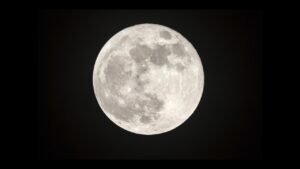
A stray SpaceX rocket stage is on a collision course with the Moon, where it is expected to slam into the lunar surface this week in an unusual and closely watched impact event.
The discarded upper stage is traveling at an estimated 5,400 mph (about 8,700 km/h) — roughly seven times the speed of sound — before it strikes the Moon near Einstein Crater, located along the Moon’s sunlit western limb.
Scientists estimate the impact will release energy equivalent to around three tons of TNT, creating a large explosion of lunar dust and debris. While dramatic, the event poses no danger to Earth, astronauts, or the Moon itself. The Moon has been bombarded by asteroids and space debris for billions of years, and this impact will only create a small new crater on its ancient surface.
The collision is expected to produce a large dust plume, giving researchers a rare opportunity to study how material behaves during a high-speed lunar impact. Telescopes and spacecraft observing the Moon may attempt to capture the flash and expanding cloud of debris.
The rocket stage’s journey has drawn attention because it represents an accidental human-made impact on the lunar surface. Unlike planned missions that intentionally crash spacecraft to study lunar conditions, this event is the result of a piece of space hardware left in an unstable orbit after a previous launch.
Researchers hope the impact can provide new information about:
🌕 Lunar soil (regolith) behavior
💥 High-speed impact physics
🔭 How dust spreads across the Moon’s surface
🚀 Future spacecraft landing hazards
Although the Moon has no atmosphere to slow incoming objects, no weather, and no active geological processes like Earth, its surface preserves a record of impacts stretching back billions of years. This week’s crash will add another small mark to that history — created not by an asteroid, but by a piece of human technology.
The event is expected to be a spectacular scientific curiosity rather than a threat — a rare chance to watch a new crater form on another world.