
South America Weather & Natural Hazards Today

- Europe Weather & Natural Hazards Today — Wednesday, November 11, 2026 7:14 PM
- Southeast Asia Weather & Natural Hazards Today: Wednesday, November 11, 2026 7:04 PM
- Singapore Lightning & Thunderstorms This Week — Wednesday, November 11, 2026 6:56 PM
- Africa Weather & Natural Hazards Today — Wednesday, November 11, 2026 5:48 PM
- Middle East Weather & Natural Hazards Today – Wednesday, November 11, 2026 3:58 PM
- Europe’s Cold Spots This Week Nov 10, 2026 3:16 PM
- Fog turns morning commute into deadly pileups on Bulgaria highway 1:06 PM
- Australian Region Tropical Weather Update — Wednesday, November 11, 2026 12:06 PM
- Southwest Indian Ocean Tropical Weather Update – Wednesday, November 11, 2026 11:58 AM
- Australia, New Zealand & Oceania Weather & Natural Hazards Today — Wednesday, November 11, 2026 11:09 AM
- North America Weather & Natural Hazards Today — November 10, 2026 10:43 AM
- Central America Weather & Natural Hazards Today – Tuesday, November 10, 2026 10:35 AM
- South America Weather & Natural Hazards Today – November 10, 2026 10:27 AM
- Daily Earthquakes, Storms, Fires & Floods Report — November 10, 2026 10:15 AM
- Weekly Tropical Storm Tracker: Tuesday, November 10, 2026 10:07 AM
- Tropical Atlantic Daily Report: Tuesday, November 10, 2026 9:56 AM
- Eastern & Central Pacific Tropical Weather Update: Tuesday, November 10, 2026 9:49 AM
- WESTERN PACIFIC Tropical Weather Update – November 10, 2026 9:42 AM

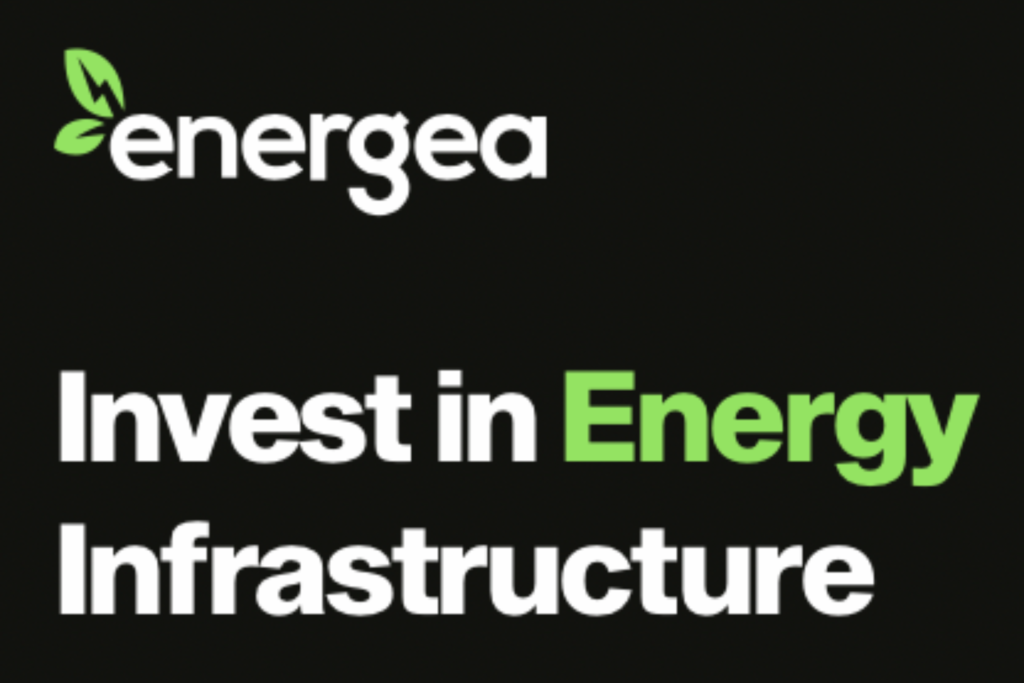



South America Weather & Natural Hazards Today – November 10, 2026
ORBis WEATHER | SOUTH AMERICA DAILY WEATHER REPORT
By Paul Harrison | Orbis Weather
Tuesday, November 10, 2026
Regional weather analysis covering Brazil, Argentina, Chile, Peru, Colombia, Ecuador, Bolivia, Paraguay, Uruguay, Venezuela, Guyana, Suriname and French Guiana.
South America Weather Overview: Heavy Rainfall Risks, El Niño Concerns and a Changing Seasonal Pattern
South America enters Tuesday, November 10, with several important weather and natural-hazard concerns, including the potential for tropical thunderstorms, localized flooding, Andean landslides, drought-related water shortages and severe weather across the continent’s southern regions.
The developing Southern Hemisphere summer is bringing increasing attention to rainfall patterns across Brazil, Paraguay, Bolivia and northern Argentina, while the Pacific-facing countries of Peru, Ecuador and Chile continue to monitor the influence of unusually warm ocean temperatures.
One of the most significant climate influences is the ongoing 2026 El Niño event, which can produce sharply contrasting weather conditions across South America.
Parts of the continent may experience above-average rainfall and flooding, while others face prolonged dry conditions, agricultural disruption and pressure on water supplies.
Important reporting note: This report combines recently documented regional climate developments with seasonal weather-risk analysis. Individual hazards described below are potential risks, not confirmations of active warnings on November 10. Exact daily rainfall totals, temperatures and local alerts should be checked with the responsible national meteorological agencies before publication.
Today’s South America Weather and Hazard Summary
Region | Main weather concern | Areas to monitor |
|---|---|---|
Northern Brazil | Tropical thunderstorms and localized flooding | Amazon Basin |
Southern Brazil | Heavy rain and severe thunderstorms | Paraná, Santa Catarina, Rio Grande do Sul |
Argentina | Thunderstorms, strong winds and hail potential | Northern and central provinces |
Chile | Coastal conditions, mountain weather and wildfire risk | Central and northern Chile |
Peru | El Niño-related rainfall variability and water shortages | Coastal and Andean regions |
Colombia | Rainfall variability, landslides and drought | Andes and Caribbean regions |
Ecuador | Flooding and landslide vulnerability | Coastal and mountain provinces |
Bolivia | Seasonal thunderstorms and flash flooding | Eastern lowlands and mountain valleys |
Paraguay | Heat, thunderstorms and heavy downpours | Central and eastern Paraguay |
Uruguay | Wind, rain and thunderstorms | Nationwide |
Venezuela | Tropical showers and water-supply concerns | Northern and western regions |
Guyana, Suriname and French Guiana | Tropical showers and localized flooding | Coastal and interior communities |
These are regional monitoring priorities rather than verified active weather alerts. Conditions can vary considerably within individual countries.
1. Brazil Weather: Tropical Rainfall, Thunderstorms and Southern Storm Risks
Brazil remains one of South America’s most important regions to monitor because of its enormous geographical size and contrasting weather patterns.
Northern Brazil and the Amazon Basin
November is a transitional period toward wetter conditions across much of the southern Amazon.
Moist tropical air can support afternoon and evening thunderstorms, particularly where daytime heating combines with local atmospheric instability.
Potential hazards include:
Heavy localized rainfall and temporary urban flooding.
Lightning affecting outdoor activities and river transportation.
Reduced visibility during intense tropical downpours.
Rapid rises in smaller rivers and streams following sustained rainfall.
Major population centers such as Manaus and Belém can experience different rainfall patterns, making city-specific forecasts essential.
Central Brazil
Brasília, Goiás, Mato Grosso and surrounding areas are entering a period when seasonal thunderstorms become increasingly important.
Agricultural regions should monitor rainfall intensity, lightning and short-duration strong winds.
Southern Brazil
Paraná, Santa Catarina and Rio Grande do Sul remain important areas for monitoring severe thunderstorms.
During El Niño episodes, southern Brazil can experience increased rainfall, although individual storms cannot be attributed to El Niño without further analysis.
Potential impacts include flash flooding, hail, damaging winds and agricultural disruption.
Outlook: Monitor Brazil’s national meteorological service, INMET, for current rainfall warnings and severe-weather bulletins.
2. Argentina Weather: Thunderstorms, Wind and Agricultural Concerns
Argentina is moving further into its spring-to-summer transition, a period that can produce significant atmospheric instability.
Northern and central Argentina are particularly important areas to monitor for thunderstorms capable of producing intense rainfall, lightning, hail and strong wind gusts.
Buenos Aires and Central Argentina
The Buenos Aires metropolitan area, Córdoba, Santa Fe and neighboring provinces can experience rapidly changing weather during November.
Thunderstorms may develop when warm, humid air interacts with passing frontal systems.
The principal hazards to monitor are localized street flooding, strong winds, hail and transportation disruption.
Northern Argentina
Provinces including Chaco, Formosa, Corrientes and Misiones can experience humid conditions and organized thunderstorms.
Heavy rainfall may create localized flooding where drainage systems are overwhelmed.
Patagonia
Southern Argentina has a different weather regime, with strong westerly winds, cooler temperatures and rapidly changing mountain conditions.
Travelers in exposed areas should monitor local wind forecasts.
Outlook: Argentina’s Servicio Meteorológico Nacional provides official severe-weather alerts, including information on thunderstorms, wind and extreme temperatures.
3. Chile Weather: Pacific Conditions, Mountain Hazards and Wildfire Awareness
Chile’s weather varies dramatically from the Atacama Desert in the north to the cool, windy landscapes of Patagonia.
Northern Chile
The Atacama region is normally extremely dry, but unusual rainfall events can have serious consequences because many communities and transport routes are not designed for frequent heavy rain.
Heavy rainfall in mountainous areas can trigger debris flows and flash flooding.
No specific November 10 flooding emergency has been independently confirmed for this report.
Central Chile
Santiago, Valparaíso and surrounding regions are moving toward the warmer summer season.
Higher temperatures, dry vegetation and periods of strong wind can increase wildfire vulnerability.
However, wildfire danger depends on current fuel moisture, wind, humidity and local conditions rather than temperature alone.
Southern Chile and Patagonia
Southern Chile can experience rain, strong winds and rapidly changing conditions near the Andes.
Mountain travelers should pay particular attention to visibility, wind chill and trail conditions.
Outlook: Monitor Chile’s Dirección Meteorológica de Chile and SENAPRED for official weather and emergency information.
4. Peru Weather: El Niño, Water Shortages and Coastal Flooding Risks
Peru remains one of the countries most sensitive to changes in Pacific Ocean temperatures.
The 2026 El Niño event has raised concerns about both excessive rainfall and drought, depending on location.
Earlier reporting documented water-deficit emergency measures affecting multiple Peruvian regions during August 2026. These historical measures should not be interpreted as confirmation that the same emergency designations remain active today.
Northern Coastal Peru
Warmer Pacific waters can increase atmospheric moisture and contribute to unusual rainfall episodes.
Communities in Piura, Tumbes and Lambayeque should monitor official forecasts for possible heavy rain and flooding.
Lima and Central Peru
Lima generally experiences relatively dry coastal weather, although conditions differ substantially between the coast and nearby mountains.
Andean Regions
Heavy rainfall can trigger landslides and debris flows, locally known as huaicos.
Steep slopes, narrow valleys and mountain roads are especially vulnerable.
Southern Peru
Water availability remains an important concern for agriculture, reservoirs and communities dependent on seasonal rainfall.
Outlook: SENAMHI Peru and INDECI are the primary sources for weather warnings and emergency guidance.
5. Colombia Weather: Landslides, Rainfall Variability and Drought
Colombia’s complex geography creates major differences between the Caribbean coast, Pacific coast, Andes, Amazon and eastern plains.
Rainfall conditions can change significantly over relatively short distances.
Andean Colombia
Bogotá, Medellín, Manizales and other mountain communities must monitor rainfall because saturated slopes can become unstable.
Landslides can occur after repeated rainfall even when an individual storm is not exceptionally intense.
Pacific Coast
Western Colombia is among the world’s wetter tropical regions.
Heavy rainfall can affect rivers, roads and remote communities.
Caribbean and Northern Colombia
El Niño can contribute to drier-than-normal conditions in parts of northern Colombia.
Water shortages, agricultural stress and wildfire vulnerability may become concerns during extended dry periods.
Earlier 2026 reporting documented substantial water-supply concerns in Colombia, but today’s emergency status requires confirmation from national authorities.
Outlook: IDEAM provides official Colombian weather, hydrological and environmental monitoring.
6. Ecuador Weather: El Niño and Flood Preparedness
Ecuador remains particularly exposed to rainfall variability associated with the tropical Pacific.
During 2026, authorities escalated preparedness measures in response to El Niño concerns, including a reported nationwide red alert in late August. The status of that alert on November 10 has not been verified here.
Coastal Ecuador
Guayaquil, Esmeraldas, Manabí and other coastal communities should monitor rainfall forecasts and river levels.
Heavy precipitation can overwhelm drainage infrastructure and cause local flooding.
Andean Ecuador
Quito and surrounding mountain regions face different hazards, including thunderstorms, slope instability and landslides.
Volcanic Hazards
Ecuador is home to active volcanoes, including Cotopaxi, Reventador and Sangay.
Volcanic activity is monitored by the Instituto Geofísico of the Escuela Politécnica Nacional.
No new eruption or ash emergency is being confirmed in this report.
Outlook: Monitor INAMHI and Ecuador’s national risk-management authorities for current weather and disaster alerts.
7. Bolivia Weather: Rainy-Season Development and Flash Flooding
Bolivia’s wet-season transition can bring increasing thunderstorm activity, particularly across its eastern lowlands and central regions.
Santa Cruz, Beni and parts of Cochabamba may experience heavy showers and thunderstorms during this part of the year.
In mountainous areas, concentrated rainfall can cause rapid runoff and landslides.
The country’s varied elevation also produces major temperature differences between high-altitude cities such as La Paz and warmer lowland communities.
Outlook: Monitor SENAMHI Bolivia for rainfall, river and severe-weather information.
8. Paraguay Weather: Heat, Humidity and Severe Thunderstorm Potential
Paraguay’s November climate can feature warm to hot temperatures, high humidity and thunderstorms.
Asunción and eastern Paraguay may experience periods of unstable weather when humid air combines with approaching frontal boundaries.
Potential hazards include intense downpours, lightning, strong wind gusts and hail.
Agricultural operations should monitor the timing of heavy rainfall, particularly where fields are already saturated.
Outlook: Paraguay’s Dirección de Meteorología e Hidrología provides official forecasts and warnings.
9. Uruguay Weather: Spring Storms and Coastal Conditions
Uruguay is entering a warmer period of the year, but passing weather systems can still produce abrupt changes in temperature, wind and rainfall.
Montevideo, Punta del Este and inland agricultural regions should monitor thunderstorms and frontal passages.
Along the Atlantic and Río de la Plata coasts, strong winds can produce rough marine conditions.
Outlook: INUMET is the official source for Uruguay’s weather warnings and forecasts.
10. Venezuela and the Guianas: Tropical Rainfall and Water Resources
Venezuela
Venezuela’s weather patterns vary between the Caribbean coast, Andes, Llanos and Amazon.
Tropical showers and thunderstorms remain possible in several regions during November, while seasonal rainfall changes can influence river levels and water availability.
Guyana, Suriname and French Guiana
These northeastern South American territories have tropical climates influenced by Atlantic moisture and the seasonal movement of the Intertropical Convergence Zone.
Heavy showers can create localized flooding, especially in low-lying coastal communities and areas with limited drainage.
Interior regions may experience thunderstorms, lightning and travel disruption.
Outlook: Residents should consult their respective national meteorological and civil-protection services for current alerts.
11. South America Natural Hazards: Earthquakes and Volcanoes
South America lies along one of the world’s most active tectonic boundaries.
The Nazca Plate is moving beneath the South American Plate, creating the Andes and contributing to major earthquake and volcanic hazards.
Earthquake Risk
Principal earthquake-monitoring regions
Country | Main tectonic concern |
|---|---|
Chile | Major subduction-zone earthquakes and tsunamis |
Peru | Offshore and Andean earthquakes |
Ecuador | Coastal and Andean seismic activity |
Colombia | Andean fault systems and subduction-zone earthquakes |
Argentina | Earthquakes in western Andean provinces |
Bolivia | Deep and intermediate-depth earthquakes |
Earthquakes cannot currently be predicted reliably by exact date, time and location.
This report does not claim that a major earthquake occurred today. Readers seeking the latest recorded events should consult the USGS earthquake catalog or their national seismic agency.
Volcanic Activity
Important volcanic monitoring areas include:
Chile’s southern volcanic zone.
Ecuador’s active Andean volcanoes.
Colombia’s Nevado del Ruiz volcanic complex.
The volcanic regions of southern Peru.
The Chile–Argentina Andean volcanic belt.
Volcanic hazards can include ashfall, toxic gases, lahars, landslides and aviation disruption.
No new volcanic emergency is confirmed in this report.
12. El Niño 2026: Why South America Faces Contrasting Weather Extremes
The El Niño–Southern Oscillation, commonly known as ENSO, is one of the most influential climate systems affecting South America.
El Niño occurs when sea-surface temperatures become unusually warm across important parts of the central and eastern equatorial Pacific.
These ocean-temperature changes influence tropical atmospheric circulation and can alter rainfall patterns across large geographical areas.
Reporting during 2026 has described an unusually strong El Niño event with the potential to influence South American weather into early 2027.
How El Niño can affect South America
Region | Typical El Niño influence |
|---|---|
Coastal Peru and Ecuador | Increased risk of unusually heavy rainfall in susceptible areas |
Southern Brazil | Greater potential for above-average rainfall |
Uruguay and northeastern Argentina | Increased rainfall potential |
Northern Brazil | Greater drought risk in some areas |
Colombia and Venezuela | Drier conditions possible in some regions |
Central Chile | Variable impacts depending on season and circulation patterns |
These are broad historical relationships, not guaranteed outcomes for November 10.
Local atmospheric conditions, sea-surface temperature patterns and other climate influences can modify or even counteract the expected effects.
13. Flooding and Landslide Safety
Flooding and landslides remain important hazards across many parts of South America.
The greatest risks often occur where heavy rainfall combines with steep terrain, vulnerable infrastructure or already saturated ground.
Residents and travelers should follow these precautions:
Avoid driving through flooded roads or water-covered bridges.
Stay away from fast-moving rivers during heavy rainfall.
Monitor official evacuation instructions in flood-prone communities.
Watch for cracks, unusual ground movement or falling debris on steep slopes.
Follow local emergency agencies rather than relying on unverified social media reports.
In mountainous areas, landslides may occur after rainfall has stopped.
14. South America Weather Outlook: Next 24–72 Hours
For November 10–13, the main regional weather features worth monitoring are tropical convection across northern and central South America, developing warm-season thunderstorms farther south, and rainfall variability along the Andes.
Regional planning outlook — not a verified 72-hour numerical forecast
Region | Main feature to monitor |
|---|---|
Amazon Basin | Tropical showers and thunderstorms |
Central Brazil | Seasonal thunderstorm development |
Southern Brazil | Frontal systems and heavy rainfall potential |
Northern Argentina | Warm-season thunderstorms |
Chile | Pacific weather systems and mountain conditions |
Peru and Ecuador | El Niño-related rainfall variability |
Colombia | Mountain rainfall and water-supply conditions |
Paraguay and Uruguay | Thunderstorm and frontal activity |
A more precise 72-hour forecast would require current model guidance and national weather bulletins. No specific rainfall totals, wind speeds or severe-weather warning levels are being asserted in this outlook.
15. Official Weather and Natural Hazard Sources
Orbis Weather encourages readers to use official national and international agencies for time-sensitive forecasts, warnings and emergency instructions.
Agency | Coverage |
|---|---|
Brazil weather forecasts and warnings | |
Argentina weather and severe-weather alerts | |
Chile weather forecasts | |
Peru weather and hydrology | |
Colombia weather and hydrological monitoring | |
Ecuador weather and climate | |
Uruguay weather | |
Global recorded earthquakes | |
ENSO and climate monitoring | |
Global meteorological and climate information |
16. Orbis Weather Editorial Methodology and Transparency
This South America Weather & Natural Hazards Today report is produced as an independent regional weather and environmental-risk overview.
It combines established meteorological knowledge, regional climate patterns, documented developments and publicly available scientific information.
How this report should be interpreted
Weather forecasts describe expected atmospheric conditions and are subject to uncertainty. Natural-hazard assessments identify possible threats, but do not necessarily indicate that a disaster is occurring.
Climate outlooks, including El Niño projections, describe longer-term probabilities rather than exact daily weather events.
Historical emergencies and earlier weather reports are distinguished from current warnings wherever possible.
Data limitations
This edition does not contain a complete real-time feed of every South American national weather service. It therefore does not claim to provide a comprehensive list of active warnings, observed temperatures, recorded earthquakes or ongoing volcanic incidents as of publication.
Local warnings can be issued, updated or canceled at any time.
Corrections and updates
Orbis Weather aims to distinguish verified observations from forecasts and general hazard assessments. Material factual errors should be corrected promptly, with significant changes identified where appropriate.
For immediate safety decisions, official national meteorological agencies and emergency-management authorities take precedence over this regional overview.
South America Weather: Final Outlook for November 10, 2026
South America’s weather picture remains shaped by a combination of seasonal transitions, tropical moisture, Pacific Ocean temperatures and the continuing influence of El Niño.
The main issues to monitor are heavy rainfall and flooding potential in vulnerable tropical and subtropical regions, severe thunderstorm development across southern South America, landslide hazards along the Andes and water shortages in areas affected by prolonged dry conditions.
Earthquakes and volcanoes remain important background hazards along the continent’s western tectonic boundary, although no specific new major event has been confirmed in this edition.
For residents, businesses, farmers and travelers, the priority is to monitor local conditions and follow official warnings as they are issued.
Orbis Weather will continue covering South America’s weather patterns, tropical systems, earthquakes, volcanic activity, floods, droughts and other natural hazards.
Reporting by Paul Harrison | Orbis Weather
Published: November 10, 2026
Editorial classification: Regional weather analysis and natural-hazard outlook.
About the Author
Paul Harrison — Founder & Publisher, Orbis Weather
Paul Harrison founded Orbis Weather in 2026 to make global weather and natural-hazard information easier to find, follow and understand. His coverage includes tropical cyclones, severe weather, extreme temperatures, earthquakes, volcanoes, wildfires, flooding and significant natural disasters worldwide.
View all articles by Paul Harrison → | Editorial Standards →
Global Weather Tracker Hub
Explore weather maps, tropical systems, storms and natural hazards around the world.
No matching trackers found.